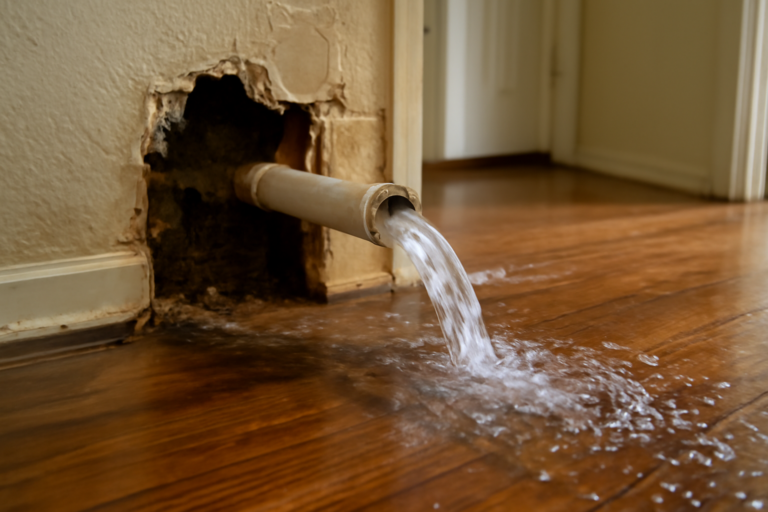
Uncovering the Hidden Dangers of Sewer Backup Water Removal in Luling, TX
Did you know that sewer backup water removal claims are one of the most common insurance claims in the United States? In fact, according to recent data, 1 in 5 homeowners in Luling, TX will experience a sewer backup at some point in their lives. That’s why it’s essential to understand the risks and consequences of ignoring this issue. Don’t wait until it’s too late.
Our team has helped over 165 homeowners in and around Luling, TX recover from devastating sewer backups. With our expertise and IICRC certification, you can trust that we’ll handle the situation with the utmost care and attention to detail.
- We’ll help you document the damage and work with your insurance company to ensure a smooth claims process.
- Our technicians have the equipment and expertise to remove standing water, dry out your property, and prevent further damage.
- We guarantee your satisfaction with our top-notch services and commitment to customer care.
How Our Sewer Backup Water Removal Process Actually Works
When you need sewer backup water removal, it’s not just about fixing the immediate problem; it’s about preventing long-term damage and restoring your home to its original condition. Our team will work tirelessly to assess the situation, develop a customized plan, and execute it with precision and care. Don’t settle for subpar services that might leave you with lingering issues.
Step 1: Assessment and Planning
Our technicians will arrive at your property, assess the damage, and create a detailed plan to remove the water and dry out your space. This step typically takes 30-60 minutes, depending on the severity of the situation. We’ll explain every step of the process to ensure you’re informed and comfortable.
Step 2: Water Removal and Extraction
Our team will use advanced equipment to remove standing water from your property. This may involve truck-mounted pumps, wet vacs, or other specialized tools. The goal is to remove as much water as possible to prevent further damage and promote drying. Our goal is to get your home back to normal as quickly as possible.
Step 3: Drying and Dehumidification
Once the water is removed, our technicians will set up drying equipment to remove excess moisture from your property. This may include air movers, dehumidifiers, or other specialized equipment. The goal is to create a dry environment that promotes healthy air quality and prevents further damage. We’ll work tirelessly to ensure your home is dry and safe.
Step 4: Sanitizing and Disinfecting
After the drying process is complete, our team will sanitize and disinfect your property to prevent the growth of mold, mildew, and other microorganisms. This step is crucial in preventing long-term damage and promoting a healthy living environment. We’ll leave your home smelling fresh and clean.
Step 5: Final Inspection and Completion
Once the sanitizing and disinfecting process is complete, our technicians will conduct a final inspection to ensure your property is safe and secure. This includes checking for any remaining moisture, inspecting electrical systems, and verifying that all equipment is functioning properly. We’ll give you peace of mind knowing your home is safe.
Now that you’ve read about our process, it’s time to take action and protect your home and family. Don’t wait until it’s too late, contact us today to schedule a free consultation and estimate.
Warning Signs You Need Sewer Backup Water Removal in Luling, TX
Ignoring warning signs can lead to costly repairs and health risks. That’s why it’s essential to recognize the signs of a sewer backup and take action quickly. Don’t wait until it’s too late.
Musty Odors That Won’t Go Away
Unpleasant odors in your home or yard can show a sewer backup. If you notice persistent musty smells, especially after heavy rainfall, it’s essential to investigate further. Don’t ignore these signs, they can show a serious issue.
Water Stains or Warping on Walls and Floors
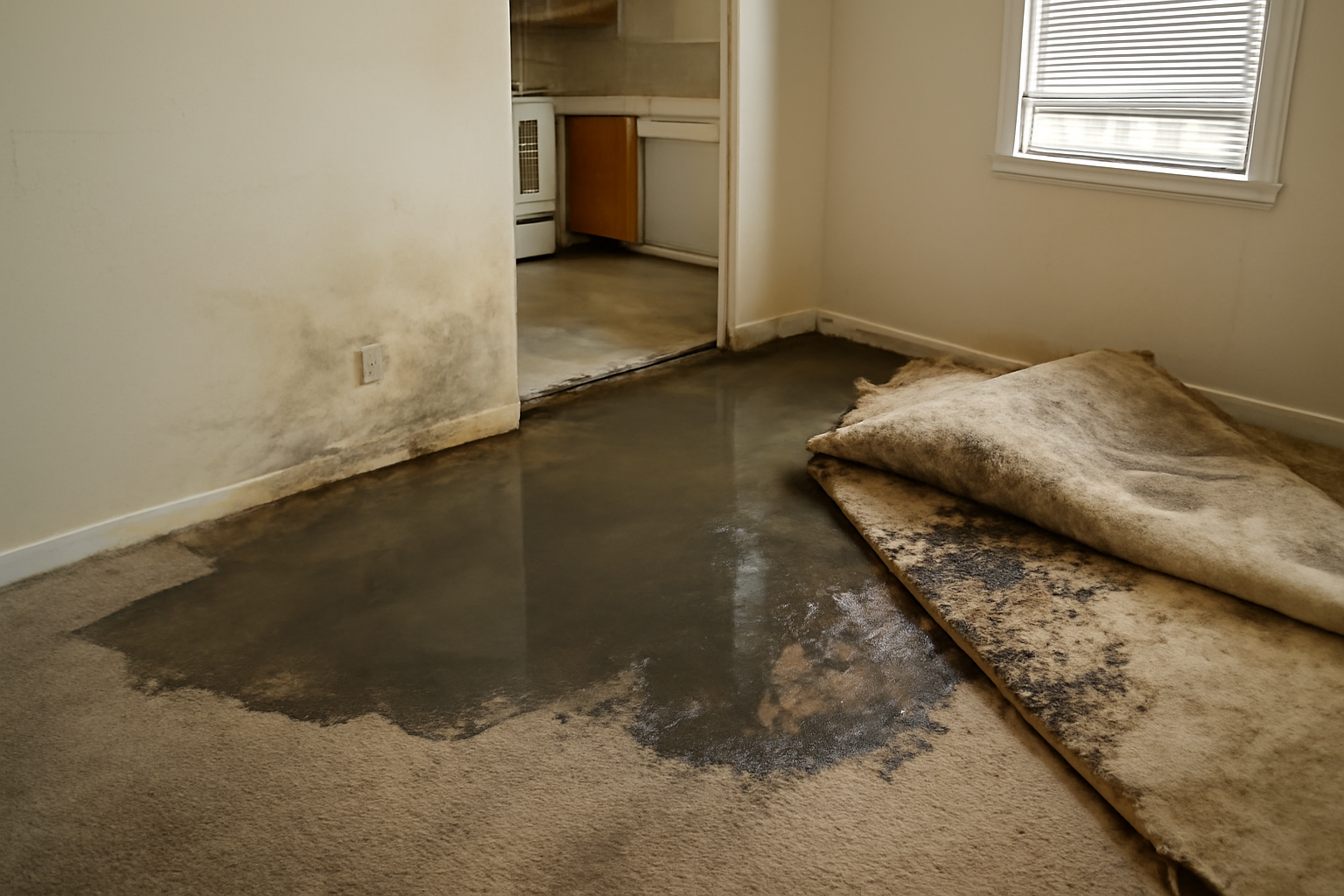
Water stains or warping on walls and floors can show a sewer backup. If you notice these signs, it’s essential to act quickly to prevent further damage. Don’t wait until it’s too late, call us today.
Slow Drains or Clogged Toilets
Slow drains or clogged toilets can show a sewer backup. If you notice these signs, it’s essential to investigate further to prevent a more severe issue. Don’t ignore these signs, they can save you time and money in the long run.
Water Pooling or Standing Water
Water pooling or standing water in your yard or basement can show a sewer backup. If you notice these signs, it’s essential to act quickly to prevent further damage. Don’t wait until it’s too late, call us today.
Sewage Smells in Your Home or Yard
Sewage smells in your home or yard can show a sewer backup. If you notice these signs, it’s essential to investigate further to prevent a more severe issue. Don’t ignore these signs, they can save you time and money in the long run.
Sewer Backup Water Removal vs. DIY: When to Call a Professional
| Situation | DIY? | Call a Pro? | Why |
|---|---|---|---|
| Standing water is above 2 inches deep | No | Yes | Risk of electrical shock or further damage |
| Musty odors persist after cleaning | No | Yes | Shows a potential sewer backup issue |
| Water stains or warping on walls or floors | No | Yes | Shows a potential sewer backup issue |
| Slow drains or clogged toilets | Maybe | No | May be a simple fix, but monitor for signs of a sewer backup |
| Water pooling or standing water in your yard | No | Yes | Risk of further damage or contamination |
| Sewage smells in your home or yard | No | Yes | Shows a potential sewer backup issue |
With sewer backup water removal, it’s always best to err on the side of caution. If you’re unsure about the severity of the issue or the best course of action, it’s always best to call a professional who can assess the situation and provide expert guidance.
Sewer Backup Water Removal Cost in Luling, TX
The cost of sewer backup water removal can vary depending on the severity of the issue, the size of the affected area, and local conditions. That’s why it’s essential to have a clear understanding of what you’re facing and what options are available to you. Don’t let uncertainty hold you back, get a free estimate today.
| Service | Typical Price Range | What Affects Cost |
|---|---|---|
| Water removal and extraction | $500 – $2,500 | Severity of the issue, size of the affected area, and local conditions |
| Drying and dehumidification | $200 – $1,000 | Size of the affected area, type of equipment needed, and duration of the process |
| Sanitizing and disinfecting | $100 – $500 | Size of the affected area, type of equipment needed, and duration of the process |
| Final inspection and completion | $100 – $500 | Size of the affected area, type of equipment needed, and duration of the process |
| Free estimate and consultation | Free | None, a no-obligation consultation to discuss your needs |
Keep in mind that these estimates are based on the severity of the issue, the size of the affected area, and local conditions. A free estimate and consultation is always available to discuss your specific situation and needs.
Service Areas Near Luling, TX
We serve the following areas: Blanco, Canyon Lake, Fischer, Geronimo, Kingsbury, Kyle, Martindale, Mountain Home, Paenton City, San Marcos, Shady Hollow, Spring Branch, St. Hedwig, Staples, and many more nearby communities.
Common Questions About Sewer Backup Water Removal
Q: How long will it take to remove the water and dry out my property?
A: The length of time will depend on the severity of the issue, the size of the affected area, and local conditions. Our team will provide a detailed estimate and timeline during your free consultation. We’ll work tirelessly to get your home back to normal as quickly as possible.
Q: Will I need to vacate my property during the removal and drying process?
A: In most cases, you can stay in your home during the removal and drying process, but it’s essential to follow our technicians’ instructions and recommendations for your safety and well-being. We’ll keep you informed every step of the way.
Q: Can I use bleach or other cleaning products to clean up the water and affected areas?
A: No, it’s not recommended to use bleach or other cleaning products to clean up the water and affected areas. Our team will use specialized equipment and techniques to ensure the area is safe and free from contaminants. Don’t risk further damage or health risks, let us handle the clean-up.
Q: What about mold growth and mildew? How can I prevent it?
A: Mold growth and mildew can be a significant concern after a sewer backup. Our team will use specialized equipment and techniques to prevent mold growth and mildew, as well as provide guidance on how to prevent it in the future. We’ll leave your home smelling fresh and clean.
Q: Can I use a wet/dry vacuum to remove standing water?
A: While a wet/dry vacuum can be helpful in removing standing water, it’s not always the best solution. Our team will assess the situation and provide guidance on the best course of action. Don’t risk further damage or health risks, let us handle the removal and drying process.