The Hills, TX · Travis County
Rapid Structural Drying in The Hills, TXEmergency Structural Drying & Crawl Space Drying
Rapid Structural Drying in The Hills includes emergency structural drying, moisture mapping services, and flood drying services.
Answered 24/7
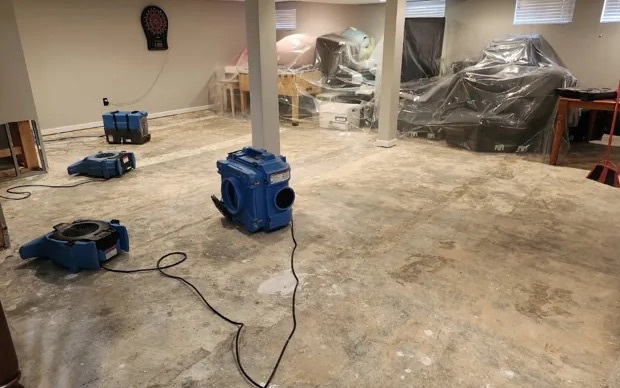
Local Rapid Structural Drying for The Hills Homes and Businesses
Concrete slabs, subfloors and wall studs all absorb moisture at different rates. Incomplete drying leaves residual dampness that weakens structures over time.
For commercial structural drying in The Hills, businesses benefit from rapid intervention to limit downtime and damage. Assistance is available throughout the region, such as in Lakeway, Point Venture and Bee Cave, with 24/7 availability.
Advanced Rapid Structural Drying Processes
Emergency Structural Drying
A sudden water event requires an immediate drying protocol. High-capacity dehumidifiers then work to pull moisture from the air and structural components, starting the recovery process.
Crawl Space Drying
Damp crawl spaces promote wood rot, mold, and musty odors. Drying addresses standing water and high humidity with extraction, ventilation, and industrial dehumidification to create a dry, stable environment.
Flood Drying Services
After a flood event, drying must be rapid and extensive. The approach is systematic, moving from room to room to stabilize the entire affected area.
Structural Dehumidification
The core of rapid structural drying is aggressive dehumidification. Using low-grain refrigerant (LGR) or desiccant units, pros control the environment to halt secondary damage.
Wall Cavity Drying
Interior walls can absorb significant moisture from leaks or floods. Wall cavity drying involves accessing the space between studs to direct airflow and desiccant dehumidification.
When Rapid Structural Drying Is Needed
Warped or Bubbling Floorboards
Hardwood floors that buckle or cup have taken on moisture from below, usually from a wet subfloor.
Peeling Paint or Wallpaper
Paint or wallpaper that is blistering and peeling is often caused by hidden moisture behind the surface.
Visible Water Stains on Walls
Yellow or brown stains on drywall or ceilings mean water got into the material and may still be inside.
Damp Spots on Concrete Floors
Persistent dampness on a concrete slab can leave white mineral deposits and loosen flooring adhesive.
How Rapid Structural Drying Works in The Hills
Step 1: Emergency Response and Moisture Detection
Local moisture removal experts use meters and thermal cameras to find all wet areas and decide which to dry first.
Step 2: Setup of Airflow and Dehumidification
A balanced system of airflow and structural dehumidification is established to pull moisture from materials and condense it out of the air.
Step 3: Specialized Drying for Concrete and Cavities
Specialized techniques like concrete slab drying and forced cavity drying are applied to address moisture trapped in the most challenging structural components.
Step 4: Final Structural Integrity Confirmation
Final moisture readings are recorded for each area to confirm the structure is dry before repairs begin.
What Leads to Needing Rapid Structural Drying
Clogged Gutters and Downspouts
When gutters overflow, water pools against the foundation and can seep into crawl spaces, slabs and lower walls.
Roof Leaks From Storm Damage
Wind-driven rain or damaged shingles allow water to infiltrate attics and wall cavities, leading to widespread structural moisture.
HVAC System Condensation Issues
Clogged drain lines or faulty condensate pumps from air handlers can cause significant water damage inside walls and ceilings.
Burst Pipes or Plumbing Failures
A burst pipe can release hundreds of gallons, soaking drywall, subfloors and framing well beyond the room where it broke.
Residential and Commercial Rapid Structural Drying in The Hills
Residential Rapid Structural Drying
In homes, rapid structural drying targets moisture trapped in walls, under floors, and in crawl spaces after a leak.
Commercial Rapid Structural Drying
For businesses, commercial structural drying minimizes downtime after water damage. Restoration pros focus on large-scale moisture removal from concrete slabs, interior wall cavities, and office subfloors using high-capacity equipment to get operations back to normal swiftly.
Rapid Structural Drying vs. DIY: When to Call Moisture Removal Experts
Pull back baseboards carefully to inspect for hidden water in wall cavities, but do not puncture drywall. This visual check can help assess the extent.
Factors Affecting Rapid Structural Drying Pricing
Residential structural drying cost in The Hills hinges on how quickly water is extracted and how many air movers and dehumidifiers are deployed. Drying a subfloor or crawl space also changes the price.
Project Duration
The total time needed for complete structural dehumidification and achieving dry standards affects the overall labor and equipment rental period.
Access and Complexity
Difficult-to-reach areas like tight crawl spaces or behind finished walls add labor time to the emergency structural drying process.
Water Contamination Category
Clean water from a broken pipe is simpler to address than contaminated flood water, which requires more extensive safety and drying protocols.
Does Insurance Cover Rapid Structural Drying?
Commercial structural drying may be covered under a business property policy if the water damage is from a covered event. The business owner should initiate the claim and provide all documentation to their insurer.
Why Choose Local Moisture Removal Experts for Rapid Structural Drying in The Hills
IICRC-Standard Drying Methods
Drying follows set targets checked with meters, which prevents damage from moisture left behind.
Water Mitigation Drying Expertise
The approach is part of a complete water mitigation process to stabilize the property quickly.
Industrial-Grade Drying Equipment
High-capacity air movers and dehumidifiers dry crawl spaces and concrete slabs, which hold water longest.
24/7 Emergency Rapid Structural Drying in The Hills
When water gets into wall cavities or subfloors, drying should start soon. Call (210) 761-3044 24/7 for structural drying in The Hills.
Call Now (210) 761-3044Rapid Structural Drying Throughout Travis County
Structural drying is available for homes across The Hills, and in nearby places such as Lakeway, Point Venture and Bee Cave.
- Rapid Structural Drying in Lakeway
- Rapid Structural Drying in Point Venture
- Rapid Structural Drying in Bee Cave
- Rapid Structural Drying in Briarcliff
- Rapid Structural Drying in Lago Vista
- Rapid Structural Drying in Dripping Springs
- Rapid Structural Drying in Sunset Valley
- Rapid Structural Drying in Buda
- Emergency Damage Restoration in 78738
- Storm Damage Restoration in 78738
- Water Damage Restoration in 78738
- Water Extraction Service in 78738
- Water Leak Detection in 78738
- Water Removal Service in 78738
Your Rapid Structural Drying Questions Answered
Why is fast response critical for structural drying?
A fast response limits the extent of water absorption into materials, reduces the drying time required, and helps minimize the potential for costly repairs related to structural decay or mold.
What happens if wall cavity drying is delayed?
Delayed wall cavity drying allows moisture to promote mold growth inside walls, degrade insulation, and potentially weaken drywall or wooden studs, leading to more extensive and invasive repairs.
How do pros know when structural drying is complete?
The pros use moisture meters to compare readings in affected materials to known dry standards in unaffected areas, ensuring moisture levels are acceptable before concluding the job.
How does drying differ for residential structural drying?
Residential structural drying often involves navigating living spaces, personal belongings, and varied construction materials, with a focus on restoring habitability and protecting the home's value.
Why is wall cavity drying important after a leak?
Water trapped inside wall cavities can lead to hidden mold, wood rot, and compromised insulation.