The Hills, TX · Travis County
Residential Water Removal in The Hills, TXMold Prevention After Water Damage & Wet Carpet Drying
Expert Residential Water Removal in The Hills, including broken pipe water cleanup, water damage restoration process, and moisture inspection.
Answered 24/7
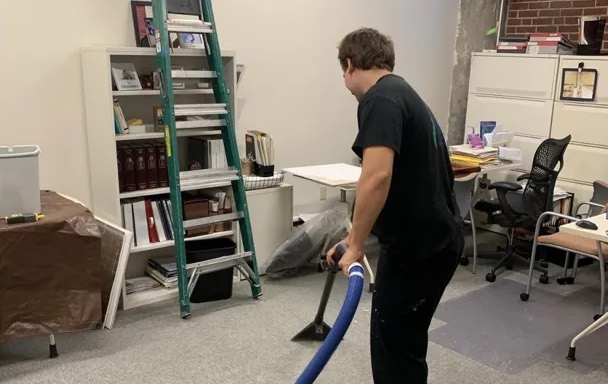
Residential Water Removal for Homes in The Hills
When water gets into your The Hills home, it soaks belongings, walls and subflooring. Water removal pros extract it quickly to bring moisture levels down.
In The Hills and neighboring locales like Lakeway, Point Venture and Bee Cave, residential water removal covers both visible flooding and hidden moisture. Local restoration pros extract water fast and dry what it reached.
Residential Water Removal Methods Used in The Hills
Mold Prevention After Water Damage
Preventing mold growth results from achieving a thoroughly dry environment after water damage. The pros use industrial dehumidifiers to lower humidity, creating conditions where mold cannot establish.
Wet Carpet Drying
The pros extract water with specialized tools, then deploy air movers for complete drying to protect flooring in The Hills.
Moisture Inspection
Hidden moisture can linger after visible water is gone. Accurate documentation from this service also supports communication with your insurance provider in The Hills.
Emergency Water Extraction Services
Rapid water extraction minimizes damage from a burst pipe. The pros use industrial-grade pumps to swiftly eliminate standing water from floors, a critical mitigation step for homes in The Hills.
Broken Pipe Water Cleanup
Cleanup starts with extraction and includes opening walls or ceilings for complete drying of the framing, a standard process for the pros in The Hills.
Warning Signs You Need Residential Water Removal
Musty Odors in Your Home
A persistent earthy smell often means hidden moisture behind walls or under floors.
Dampness or Condensation on Surfaces
Persistent damp spots on walls, windowsills or baseboards suggest high humidity levels and potential hidden water damage.
Wet or Soggy Carpeting
Carpet that feels damp, squishes underfoot or shows wet spots is holding water in the pad.
Sounds of Dripping or Running Water
Audible water when all fixtures are off points to a hidden leak.
How Residential Water Removal Works in The Hills
Step 1: Source Containment and Water Extraction
The first priority is stopping the water source if possible, then deploying extraction equipment to remove the bulk of the water from the property.
Step 2: Moisture Mapping for Hidden Damage
Meters and thermal cameras map moisture inside wall cavities and under flooring before drying starts.
Step 3: Industrial Drying and Dehumidification
High-volume air movers and commercial dehumidifiers work in tandem to evaporate and collect moisture from the air and building materials.
Step 4: Cleaning and Post-Restoration Evaluation
Once dry, surfaces are cleaned, and a final evaluation confirms the success of the water damage restoration, addressing any lingering concerns.
Typical Reasons for Residential Water Removal Calls
Severe Weather and Flash Flooding
Heavy rains, flash floods or overwhelmed drainage can lead to floodwater entering the home at ground level.
HVAC System Condensation Issues
Clogged drain pans or disconnected condensate lines from air conditioners can drip water continuously inside walls.
Faulty or Overflowing Plumbing Fixtures
Toilets, sinks, bathtubs and showers can overflow due to clogs, faulty valves or simply being left running.
Natural Disaster Flood Waters
River overflows, canal breaches or sudden dam releases can flood properties in a few hours.
Residential Water Removal for Homes and Businesses in The Hills
Residential Water Removal
In homes, the pros work around furniture and belongings and use meters to find dampness in walls and subfloors before drying.
Commercial Water Removal
Commercial water cleanup covers larger spaces, machinery and public areas. The pros plan the work so the business can keep running where it is safe.
The Risks of DIY Residential Water Removal in The Hills
If safe to do so, you can turn off the main water supply to stop the flow from a broken pipe. Remove small, movable items like rugs and furniture from the wet area to prevent staining.
What Affects Residential Water Removal Pricing in The Hills
In The Hills, costs include extraction labor and any treatment of wet surfaces to limit mold after water damage.
Water Volume and Source
The amount of water and whether it's from a clean or contaminated source directly influences the scope and cost of the extraction work.
Material Damage Level
Costs adjust based on the extent of damage to materials like drywall, flooring, or personal contents needing restoration or removal.
Equipment and Labor
The number and type of industrial-grade extractors, dehumidifiers, and air movers deployed, along with skilled labor, factor into pricing.
Does Insurance Cover Residential Water Removal?
Insurance often covers drying or removing wet carpet in The Hills when the water source is sudden and accidental, like a broken pipe. The insurer decides what is covered.
Benefits of Hiring Restoration Pros in The Hills
Advanced Moisture Detection
Thorough moisture inspection and mapping with specialized tools finds hidden dampness that could lead to mold or rot.
Targeted Structural Drying
Drying continues until materials reach normal readings, which helps keep framing and floors sound.
Proactive Mold Prevention
Applying antimicrobial treatments during the water damage restoration process helps inhibit mold growth where surfaces were wet.
The Hills Emergency Water Removal Services
Wet carpet or other water damage in The Hills? Call (210) 761-3044 for a 24/7 response to begin extraction and drying without delay.
Call Now (210) 761-3044Residential Water Removal Availability Throughout Travis County
Water cleanup in The Hills, along with nearby locales like Lakeway, Point Venture and Bee Cave, runs from the first extraction to the final moisture check.
- Residential Water Removal in Lakeway
- Residential Water Removal in Point Venture
- Residential Water Removal in Bee Cave
- Residential Water Removal in Briarcliff
- Residential Water Removal in Lago Vista
- Residential Water Removal in Dripping Springs
- Residential Water Removal in Sunset Valley
- Residential Water Removal in Buda
- Emergency Damage Restoration in 78738
- Storm Damage Restoration in 78738
- Water Damage Restoration in 78738
- Water Extraction Service in 78738
- Water Leak Detection in 78738
- Water Removal Service in 78738
Residential Water Removal Information and Answers
When is mold remediation needed after water damage?
If mold growth is already visible or detected during inspection after a delayed response, a separate mold remediation protocol by specialized pros may be necessary.
How long does the water damage restoration process take?
Drying times vary widely based on moisture levels and materials affected, but thorough structural drying often requires several days of continuous equipment operation.
How does emergency water extraction work?
Powerful truck-mounted or portable extractors are used to rapidly remove bulk water from floors, carpets, and other surfaces, the critical first mitigation step.
What happens to personal items during residential water removal?
Items are moved to a dry area if possible. Some may be cleaned and dried on-site, while heavily damaged contents may require specialized off-site restoration.
What are signs that professional water damage restoration is needed?
Signs include standing water, damp walls or floors, a musty odor, or visible swelling of materials like wood or drywall after a leak or flood.