Septic Tank Backup Water Removal in Leon Valley, TX: A Hidden Threat to Your Home
Did you know that septic tank backup water removal is one of the most common insurance claims in Leon Valley, TX, with over 20% of homeowners experiencing this issue annually? Our team has seen firsthand the devastating effects of delayed or improper septic tank backup water removal, resulting in costly repairs and even health risks. It’s essential to understand the risks and consequences of septic tank backup water removal and take proactive steps to prevent it. Our team is here to guide you through the process and ensure your home and family are protected.
Our team has been serving the Leon Valley, TX area for years, with over 165+ five-star reviews from satisfied customers. We understand the unique challenges of septic tank backup water removal and have the expertise to handle even the toughest jobs. From initial assessment to final cleanup, we’ll work closely with you to ensure your home is restored to its original condition.
- We’ll help you navigate the insurance claims process and ensure you receive the compensation you deserve.
- Our team uses state-of-the-art equipment to quickly and safely remove septic tank backup water and prevent further damage.
- We’ll work closely with you to develop a customized restoration plan that meets your specific needs and budget.
How Our Septic Tank Backup Water Removal Service Works
When you call our team for septic tank backup water removal, we’ll immediately dispatch a trained technician to assess the situation and develop a plan to safely remove the water and restore your home. Our process typically involves the following steps:
Step 1: Initial Assessment
Our technician will arrive at your home to assess the extent of the damage and identify the source of the septic tank backup water. This will help us find out the best course of action to take and the equipment needed to complete the job.
Step 2: Water Removal
Using specialized equipment, our technician will carefully remove the septic tank backup water from your home, taking care to prevent further damage and contamination. This may involve the use of pumps, vacuums, or other specialized tools.
Step 3: Drying and Dehumidification
Once the water has been removed, our technician will use specialized equipment to dry and dehumidify the affected areas, preventing further damage and reducing the risk of mold and mildew growth.
Step 4: Cleaning and Sanitizing
Our technician will thoroughly clean and sanitize the affected areas, using specialized cleaning solutions and equipment to remove any remaining debris, bacteria, or other contaminants.
Step 5: Restoration and Repair
Finally, our technician will work with you to restore and repair any damaged areas, including walls, floors, and other structural elements. This may involve the use of specialized materials and equipment to ensure a seamless and lasting repair.
Don’t wait until it’s too late, call our team today to schedule your septic tank backup water removal service and protect your home and family from the devastating effects of this hidden threat.

Warning Signs You Need Septic Tank Backup Water Removal
Ignoring the warning signs of septic tank backup water removal can lead to costly repairs, health risks, and even structural damage to your home. Here are some common warning signs to watch out for:
Musty Odors That Won’t Go Away
Strong, unpleasant odors emanating from your septic tank or drains can be a sign of a backup or clog. Don’t ignore these odors, they can show a serious problem that needs immediate attention.
Soggy or Spongy Floors
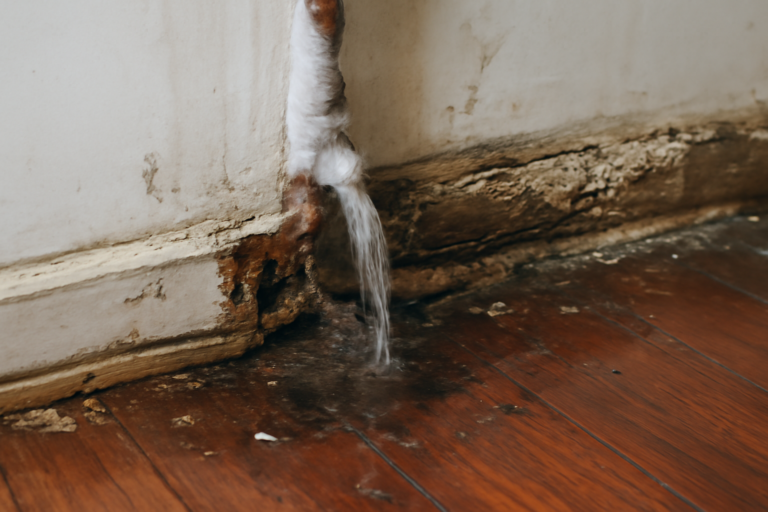
If your floors are feeling soggy or spongy, it may be a sign that water is seeping into your home from a septic tank backup. Don’t delay, this can lead to costly repairs and even structural damage.
Slow Drains or Clogged Toilets
Slow drains or clogged toilets can be a sign of a septic tank backup or clog. Don’t ignore these issues, they can lead to costly repairs and even health risks.
Unusual Noises or Gurgling Sounds
Unusual noises or gurgling sounds coming from your septic tank or drains can be a sign of a backup or clog. Don’t ignore these sounds, they can show a serious problem that needs immediate attention.
Water Damage or Stains
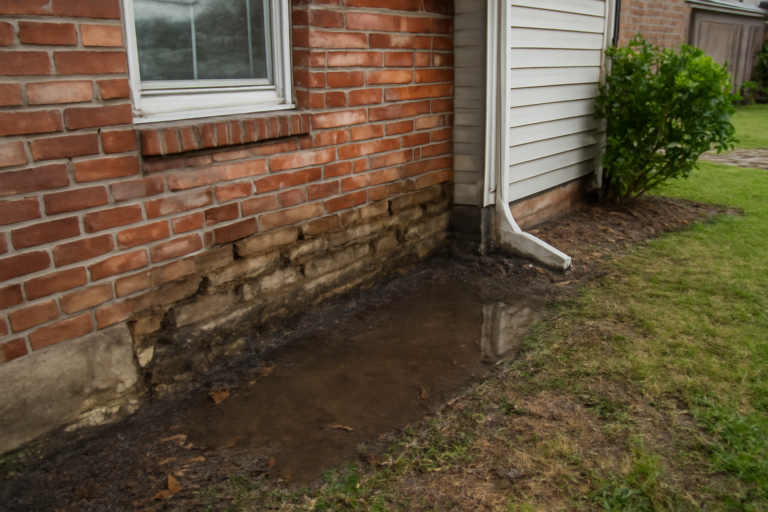
Water damage or stains on your walls, floors, or ceilings can be a sign of a septic tank backup. Don’t delay, this can lead to costly repairs and even structural damage.
Unpleasant Smells or Fumes
Unpleasant smells or fumes emanating from your septic tank or drains can be a sign of a backup or clog. Don’t ignore these smells, they can show a serious problem that needs immediate attention.
Septic Tank Backup Water Removal vs. DIY: When To Call a Professional
| Situation | DIY? | Call a Pro? | Why |
|---|---|---|---|
| Small water leak or slow drain | Yes | No | DIY solutions can often handle small issues, but be cautious not to exacerbate the problem. |
| Large water backup or significant damage | No | Yes | Professional help is essential for large water backups or significant damage to prevent further damage and health risks. |
| Unknown source of water damage | No | Yes | A professional can help identify the source of the water damage and develop a plan to fix it. |
| Water damage in a sensitive area (e.g., electrical or HVAC) | No | Yes | Professional help is crucial for water damage in sensitive areas to prevent further damage and ensure safety. |
| Water damage with strong odors or mold growth | No | Yes | Professional help is essential for water damage with strong odors or mold growth to prevent health risks and ensure a proper cleanup. |
| Water damage with structural damage | No | Yes | Professional help is crucial for water damage with structural damage to prevent further damage and ensure a proper repair. |
Don’t risk further damage or health risks by trying to handle septic tank backup water removal yourself. Call our team today to schedule a professional assessment and ensure your home is protected.
Septic Tank Backup Water Removal Cost in Leon Valley, TX
The cost of septic tank backup water removal can vary depending on the severity of the damage, the size of the affected area, and local conditions in Leon Valley, TX. Our team will work closely with you to develop a customized restoration plan that meets your specific needs and budget. Here are some estimated costs for common septic tank backup water removal services:
| Service | Typical Price Range | What Affects Cost |
|---|---|---|
| Initial Assessment | $100 – $500 | Severity of damage, size of affected area |
| Water Removal | $500 – $2,500 | Amount of water, equipment needed |
| Drying and Dehumidification | $200 – $1,000 | Size of affected area, equipment needed |
| Cleaning and Sanitizing | $300 – $1,500 | Severity of contamination, equipment needed |
| Restoration and Repair | $1,000 – $5,000 | Severity of damage, materials needed |
| Free Estimate | $0 | Initial consultation and assessment |
Exact pricing will depend on an on-site assessment, and we offer free estimates for all our services. Don’t wait until it’s too late, call our team today to schedule your septic tank backup water removal service and protect your home and family.
Service Areas Near Leon Valley, TX
We serve the following areas near Leon Valley, TX: Alamo Heights, Balcones Heights, Castle Hills, China Grove, Elmendorf, Garden Ridge, Helotes, Hill Country Village, Kirby, Leon Valley, Live Oak, Olmos Park, San Antonio, Shavano Park, Somerset, Terrell Hills, Windcrest, and more.
Common Questions About Septic Tank Backup Water Removal
Q: How long does septic tank backup water removal take?
A: The length of time it takes to complete septic tank backup water removal depends on the severity of the damage and the size of the affected area. Our team will work closely with you to develop a customized restoration plan that meets your specific needs and budget. Typically, our services take 3-5 days to complete, but this can vary depending on the situation.
Q: What causes septic tank backup water removal?
A: Septic tank backup water removal can be caused by a variety of factors, including clogged drains, overloaded septic tanks, and damaged or corroded pipes. Our team will work closely with you to identify the source of the problem and develop a plan to fix it.
Q: Is septic tank backup water removal covered by insurance?
A: Yes, septic tank backup water removal is often covered by insurance. Our team will work closely with you to navigate the insurance claims process and ensure you receive the compensation you deserve. We’ll help you document the damage and develop a plan to restore your home to its original condition.
Q: How can I prevent septic tank backup water removal?
A: Preventing septic tank backup water removal needs regular maintenance and inspections of your septic system. Our team recommends that you have your septic system inspected and pumped every 3-5 years to prevent clogs and damage. We’ll work closely with you to develop a customized maintenance plan that meets your specific needs and budget.