San Marcos, TX · Hays County
Septic Tank Backup Water Removal in San Marcos, TXSeptic Backup Flood Water Removal & Septic Backup Sewage Cleanup
Septic Tank Backup Water Removal in San Marcos involves septic tank backup water extraction, septic backup sewage cleanup, and septic overflow decontamination for affected properties.
Answered 24/7
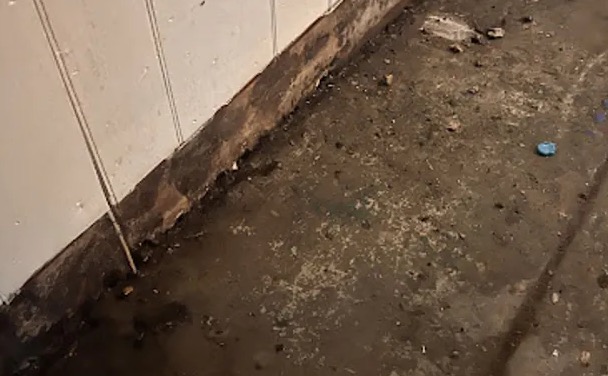
Septic Tank Backup Water Removal Specialists Serving San Marcos
Septic tank backup water removal in San Marcos is essential because untreated sewage overflow can rapidly compromise a home's structural integrity and air quality. Contaminated water seeps into materials, requiring extraction to limit damage.
Septic tank backup water removal services in San Marcos are vital for homes that rely on septic systems, which can fail due to blockages or heavy use. Properties in nearby areas like Kyle, Wimberley and Buda also face similar risks from septic overflows.
Comprehensive Septic Tank Backup Water Removal for San Marcos
Septic Backup Flood Water Removal
The first priority is removing standing water from a septic system failure. In San Marcos, extraction experts handle sewage-contaminated fluids.
Septic Backup Sewage Cleanup
Local sewage cleanup for a septic backup involves extracting black water and cleaning hard surfaces. Local septic overflow cleanup specialists in San Marcos follow established safety protocols to handle the hazardous organic matter.
Septic Tank Backup Water Extraction
Industrial vacuums are deployed by the experts to handle the contaminated water from a septic tank failure. Prompt removal is the critical first step in the restoration protocol.
Septic Tank Drain Backup Cleanup
The drain backup cleanup process includes extracting sewage water, flushing the affected pipes, and disinfecting all plumbing fixtures. The pros ensure the system is clean and functional.
Septic Overflow Decontamination
The decontamination process applies specialized agents to kill bacteria and viruses left by the sewage spill. The specialists treat every surface the sewage touched.
Symptoms Requiring Septic Tank Backup Water Removal
Overflow From Septic Tank Lid Area
Visible effluent or wet soil around the septic tank access lid is a clear sign the tank is full and septic system water removal is required.
Unexplained Increase in Water Bill
A sudden spike in water use without a clear cause can mean a hidden leak or a toilet running into the septic system.
Foul Odors Near the Drain Field
Persistent sewage smells around your yard or near plumbing fixtures signal a potential septic system overflow. These odors often worsen after water use.
Multiple Drains Backing Up Simultaneously
When several fixtures clog or drain slowly at once, the problem is usually the main line or the tank, not a single clog.
How Septic Tank Backup Water Removal Works in San Marcos
Step 1: Septic Backup Evaluation
The work starts with sizing up the backup and deciding what must be removed first.
Step 2: Extract Contaminated Water
Sewage and water are extracted from the drain area to stop contamination from spreading.
Step 3: Sanitize and Deodorize
Decontamination and odor treatments are applied to every surface to remove bacteria and smells.
Step 4: Restore Damaged Areas
Drying and repairs finish the job and return the rooms to normal use.
Triggers for Septic Tank Backup Water Removal in San Marcos
Clogged Inlet or Outlet Baffles
Blockages at the tank's entry or exit points prevent proper flow. This disruption is a frequent reason for septic tank water extraction calls.
Compacted Soil Over the Drain Field
Heavy vehicles or structures parked above the leach field prevent proper drainage. This compaction causes backups.
Root Infiltration Into Sewer Lines
Tree roots seeking moisture can crack and block pipes, and the backup gets worse over time.
Broken or Misaligned Sewer Pipes
Settling soil, age or pressure can break the main line from the house to the tank.
Residential and Commercial Septic Tank Backup Water Removal in San Marcos
Residential Septic Tank Backup Water Removal
A septic backup in a home can soak subfloors, cabinets and belongings. The pros extract the sewage, remove what cannot be cleaned, disinfect and dry, and document the damage for your claim.
Commercial Septic Tank Backup Water Removal
Offices and multi-tenant buildings on septic systems need backups cleaned up with little disruption. The pros contain the area, extract the sewage and run air scrubbers for odor.
The Dangers of DIY Septic Tank Backup Water Removal in San Marcos
After professionals have extracted the water, you can assist with the drying process by maintaining a warm, dry environment if advised. Do not replace flooring or drywall until moisture readings confirm it's dry.
What Influences Septic Tank Backup Water Removal Pricing in San Marcos
Your septic backup cleanup cost depends on how much sewage must be removed and the hours of labor needed.
Required Water Extraction
The amount of sewage to remove sets the number of pumps and the time needed on site.
Affected Materials
Porous materials like drywall or flooring that absorb septic water may require removal and disposal, adding to the project's scope and expense.
Decontamination Procedures
Thorough septic overflow decontamination involves specialized antimicrobial agents and cleaning processes, which contribute to the overall material and labor costs.
Does Insurance Cover Septic Tank Backup Water Removal?
When filing a claim for septic line backup water removal, your insurer will assess the cause and the documentation provided. The pros create detailed reports to assist in that evaluation process.
Why Choose Local Specialists for Septic Tank Backup Water Removal in San Marcos
Effective Odor Elimination
Specialized foggers and air scrubbers tackle septic backup odor removal at the source, not just masking unpleasant smells.
Containment Protocols
Work areas are sealed off so sewage is not tracked into clean rooms during the cleanup.
24/7 Emergency Response
Septic backups demand immediate attention; the specialists are available around the clock for emergency septic backup response calls.
24/7 Emergency Septic Tank Backup Water Removal in San Marcos
A septic tank flood can cause extensive damage and health risks. Do not wait; call (210) 761-3044 for 24/7 emergency extraction and cleanup from the pros.
Call Now (210) 761-3044Septic Tank Backup Water Removal Available Around San Marcos
The specialists work in San Marcos to handle urgent septic tank drain backup situations. Their coverage area includes nearby places such as Kyle, Wimberley and Buda for on-site assistance.
- Septic Tank Backup Water Removal in Kyle
- Septic Tank Backup Water Removal in Wimberley
- Septic Tank Backup Water Removal in Buda
- Septic Tank Backup Water Removal in Lockhart
- Septic Tank Backup Water Removal in New Braunfels
- Septic Tank Backup Water Removal in Canyon Lake
- Septic Tank Backup Water Removal in Dripping Springs
- Septic Tank Backup Water Removal in Sunset Valley
- Emergency Damage Restoration in 78666
- Storm Damage Restoration in 78666
- Water Damage Restoration in 78666
- Water Extraction Service in 78666
- Water Leak Detection in 78666
- Water Removal Service in 78666
- Emergency Damage Restoration in 78667
- Storm Damage Restoration in 78667
Septic Tank Backup Water Removal Common Questions Answered
Why is septic water damage documentation important?
Photos and moisture readings create a record for your insurance claim that shows the extent of the loss.
What's included in emergency septic backup response?
The specialists contain the hazard, extract the septic water, assess the damage and start cleanup and drying.
Does septic backup emergency service work 24/7?
Yes, the specialists offer around-the-clock emergency response because septic failures can happen at any time and require immediate intervention to limit damage.
Is residential septic backup cleanup a DIY job?
No. Sewage exposure is a serious biohazard risk. Professional septic backup cleanup specialists have the training, equipment, and protective gear to handle contamination safely and effectively.
How do pros document septic system water damage?
They use moisture meters, thermal imaging cameras, and photography to map affected areas, creating a detailed report for your records and potential insurance claim submission.