Seguin, TX · Guadalupe County
Septic Tank Backup Water Removal in Seguin, TXEmergency Septic Backup Response & Septic System Water Damage Repair
Septic Tank Backup Water Removal in Seguin can prevent damage to property foundations via septic backup sewage cleanup, septic system water damage repair and septic backup odor removal.
Answered 24/7
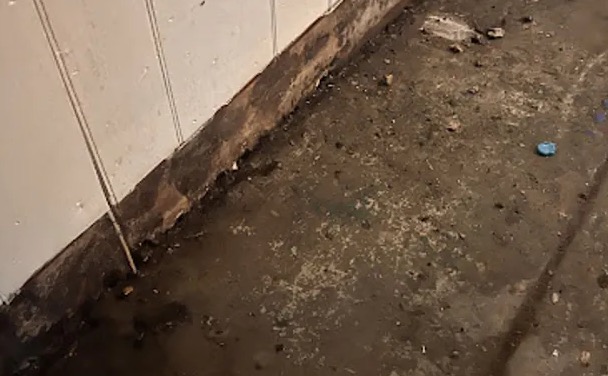
Expert Septic Tank Backup Water Removal for Seguin Homes
Septic system overflow water removal in Seguin protects your investment by preventing secondary damage like mold and wood rot. The standing sewage water can warp cabinets, ruin insulation and stain concrete.
Septic tank backup water removal services in Seguin are vital for homes that rely on septic systems, which can fail due to blockages or heavy use. Properties in nearby areas like Marion, New Braunfels and Cibolo also face similar risks from septic overflows.
Key Septic Tank Backup Water Removal Procedures in Seguin
Emergency Septic Backup Response
An emergency response to a septic backup in Seguin starts with a safety evaluation and water extraction setup. Local water removal pros are available 24/7 to begin this critical mitigation.
Septic System Water Damage Repair
Repair work addresses structural components like floor joists or wall studs compromised by contaminated water. Repairs follow once the area is clean and dry.
Septic Backup Flood Water Removal
The pros in Seguin extract all contaminated liquid using high-volume pumps and vacuums. Early action helps contain the damage.
Septic Tank Backup Water Extraction
The water extraction for a septic tank backup in Seguin uses truck-mounted pumps to remove the contaminated water.
Septic Backup Sewage Cleanup
Local sewage cleanup for a septic backup involves extracting black water and cleaning hard surfaces. The pros in Seguin follow established safety protocols to handle the hazardous organic matter.
When to Call for Septic Tank Backup Water Removal in Seguin
Drains Back Up After Heavy Rain
Drains that back up after storms often mean the drain field is saturated and the tank cannot drain.
Foul Odors Near the Drain Field
Persistent sewage smells around your yard or near plumbing fixtures signal a potential septic system overflow. These odors often worsen after water use.
Overflow From Septic Tank Lid Area
Visible effluent or wet soil around the septic tank access lid is a clear sign the tank is full and septic system water removal is required.
Sewage Backup in Toilets or Drains
Slow drainage or gurgling sounds from fixtures often indicate a septic tank backup. Wastewater may rise in toilets, sinks, or floor drains during use.
How Septic Tank Backup Water Removal Works in Seguin
Step 1: Septic Backup Response
The pros start with an emergency response and a first look at how far the sewage spread.
Step 2: Contaminated Water Removal
Extraction equipment removes the sewage and contaminated water before it spreads further.
Step 3: Sewage Cleanup and Sanitizing
Surfaces are disinfected and deodorized so no bacteria or smell is left behind.
Step 4: Damage Documentation and Repair
The damage is documented for your insurance claim, and repairs restore the affected rooms.
What Causes Septic Tank Overflows in Seguin
Compacted Soil Over the Drain Field
Heavy vehicles or structures parked above the leach field prevent proper drainage. This compaction causes backups.
Improper Tank or System Design
A tank or drain field that is too small for the household leads to repeated backups.
Flushing Non-Biodegradable Items
Wipes, hygiene products and grease build up in pipes and cause stubborn clogs that push sewage back inside.
Full or Failing Septic Tank
A tank at capacity cannot accept new wastewater, causing immediate backups into your home. Regular pumping prevents this common septic tank backup cause.
Septic Tank Backup Water Removal for Homes and Businesses in Seguin
Residential Septic Tank Backup Water Removal
Sewage smell can linger in a home after a septic backup. After cleanup, the pros remove the source, use air scrubbers and seal stained surfaces if the odor stays.
Commercial Septic Tank Backup Water Removal
For hotels or rental properties, a septic backup threatens reputation and revenue. Septic system water damage repair professionals work to rectify the plumbing issue and restore guest rooms or common areas with minimal downtime and thorough sanitization.
Why Septic Tank Backup Water Removal Requires Professional Septic Backup Cleanup Pros
After professionals have extracted the water, you can assist with the drying process by maintaining a warm, dry environment if advised. Do not replace flooring or drywall until moisture readings confirm it's dry.
Factors Affecting Septic Tank Backup Water Removal Cost in Seguin
In Seguin, the cost of septic backup water removal depends on how much sewage came in, how many rooms it reached and whether the work is after hours.
Decontamination Procedures
Thorough septic overflow decontamination involves specialized antimicrobial agents and cleaning processes, which contribute to the overall material and labor costs.
Affected Materials
Porous materials like drywall or flooring that absorb septic water may require removal and disposal, adding to the project's scope and expense.
Extent of Contamination
The severity of the septic backup and the area covered by sewage directly affects the hours of labor and materials required for proper cleanup.
Does Insurance Cover Septic Tank Backup Water Removal?
Coverage for residential septic backup cleanup hinges on the source of the problem. Policies often exclude damage from gradual neglect or lack of maintenance, focusing on sudden and direct causes.
Selecting Local Pros for Septic Tank Backup Water Removal in Seguin
System Damage Assessment
The pros inspect for hidden septic system water damage repair needs behind walls or under floors.
IICRC-Standard Decontamination
Septic overflow decontamination follows industry protocols to neutralize harmful pathogens and bacteria, making the affected area safe again.
Thorough Drain Backup Cleanup
The process addresses the septic tank drain backup completely, cleaning the affected plumbing fixtures and surrounding areas.
24/7 Emergency Septic Tank Backup Water Removal for Seguin
Sewage coming up from a septic backup should not wait. Stop using water in the house and call (210) 761-3044 at any hour for cleanup.
Call Now (210) 761-3044Local Septic Tank Backup Water Removal for Marion, New Braunfels and Cibolo
Septic backup cleanup is available throughout Guadalupe County. From Seguin to areas like Marion, New Braunfels and Cibolo, the pros remove sewage and disinfect the affected rooms.
- Septic Tank Backup Water Removal in Marion
- Septic Tank Backup Water Removal in New Braunfels
- Septic Tank Backup Water Removal in Cibolo
- Septic Tank Backup Water Removal in La Vernia
- Septic Tank Backup Water Removal in Schertz
- Septic Tank Backup Water Removal in Selma
- Septic Tank Backup Water Removal in Universal City
- Septic Tank Backup Water Removal in Luling
- Emergency Damage Restoration in 78155
- Storm Damage Restoration in 78155
- Water Damage Restoration in 78155
- Water Extraction Service in 78155
- Water Leak Detection in 78155
- Water Removal Service in 78155
- Emergency Damage Restoration in 78156
- Storm Damage Restoration in 78156
Septic Tank Backup Water Removal Common Questions Answered
Why is septic water damage documentation important?
Photos and moisture readings create a record for your insurance claim that shows the extent of the loss.
Does septic backup emergency service work 24/7?
Yes, the pros offer around-the-clock emergency response because septic failures can happen at any time and require immediate intervention to limit damage.
What causes a septic tank flooding incident?
Common causes include a full tank, a clogged drain field, pipe blockages or heavy rain overwhelming the system.
What is septic tank backup water removal?
It is safely extracting contaminated water from a failed septic system, then cleaning and decontaminating the affected rooms.
What happens during septic tank water extraction?
Powerful submersible pumps and truck-mounted extractors are used to remove the bulk of the contaminated liquid from the property, which is the first critical step in the restoration process.