ZIP 78667 · San Marcos, TX · Hays County
Water Leak Detection in 78667Emergency Leak Detection & Acoustic Water Leak Detection
Water Leak Detection in San Marcos covers hidden water leak detection, slab leak detection and thermal imaging leak detection.
Answered 24/7
Expert Water Leak Detection Available in 78667
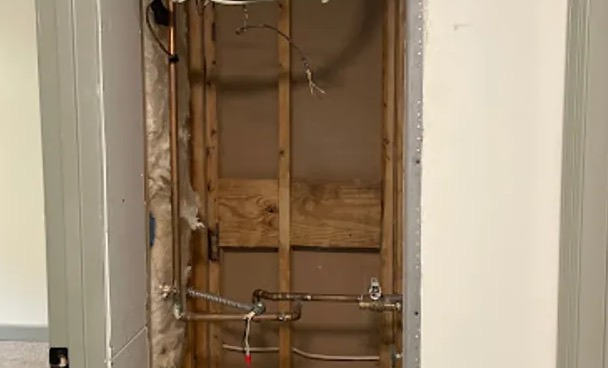
In San Marcos, hidden leaks lead to structural damage, mold and higher water bills. Local leak detection experts in San Marcos use moisture meters, thermal cameras and acoustic sensors to find leaks in walls, under slabs and in plumbing with little disruption.
Available Water Leak Detection Services in 78667, TX
Emergency Leak Detection
Help is available 24/7 for urgent leaks such as burst pipes or failed supply lines.
Acoustic Water Leak Detection
Acoustic water leak detection employs sensitive ground microphones and listening discs to amplify the sound of water escaping under pressure.
Pipe Leak Detection
The pros find leaks in interior and exterior plumbing pipes before they waste water or damage building materials.
Water Meter Leak Detection
Checking the water meter is a fundamental part of leak detection. If the meter dial moves while no fixtures are running, it confirms a leak somewhere in the system, prompting further investigation.
Slab Leak Detection
Slab leak detection focuses on finding breaches in plumbing pipes embedded in or under the concrete foundation.
How to Tell If You Need Water Leak Detection
Water Pooling in the Yard
Unexplained soggy patches, lush grass spots, or standing water in your landscaping suggest an outdoor line leak.
Constantly Running Toilet
A toilet that refills on its own or makes a continuous hissing sound may have a hidden leak.
Increased Humidity in Rooms
The air in a specific room feels persistently muggy or window condensation is excessive, hinting at moisture intrusion.
Musty Odors and Mold Growth
A persistent earthy smell or visible mold spots can signal hidden moisture from an undetected leak.
How Water Leak Detection Works in 78667
Step 1: Suspected Leak Analysis
Water leak detection pros analyze descriptions of damp spots or mold growth. This initial assessment helps determine the likely leak type and an appropriate detection approach.
Step 2: Targeted Leak Detection Investigation
The pros focus on the suspected area with the right tools, which speeds up the search.
Step 3: Corroboration with Thermal Imaging
Thermal imaging leak detection visually corroborates findings from other methods. The infrared images provide clear evidence of moisture presence and migration paths.
Step 4: Insurance-Ready Damage Documentation
Every step is documented with photos, videos, and moisture level data. This creates an insurance-ready file, though coverage decisions remain with your insurer.
Common Causes That Make Water Leak Detection Necessary
Faulty Appliance Connections
Washing machine hoses, dishwasher supply lines, and water heater connections can degrade or loosen, leading to sudden water releases.
Chemical Drain Cleaner Damage
Harsh chemical cleaners can corrode pipe interiors, especially in older metal pipes, thinning walls and creating leak points.
Accidental Physical Damage
Drilling into walls for shelves or driving over yard lines during landscaping can puncture hidden water pipes.
Corroded or Aging Pipes
Over time, metal pipes corrode and weaken, while plastic pipes can become brittle, leading to pinhole leaks or bursts.
Water Leak Detection for Homes and Businesses in 78667
Residential Water Leak Detection
Emergency leak detection addresses sudden failures like burst pipes or major appliance leaks that threaten a home. Fast-response pros come with the tools to quickly isolate and locate the leak, preventing widespread water damage.
Commercial Water Leak Detection
In restaurants, medical offices and data centers, a plumbing leak needs to be found fast. Specialists locate and document it to support repairs and insurance claims.
When to Call Local Experts for Water Leak Detection
Look at pipes under sinks, behind toilets and near appliances for moisture, corrosion or drips. Tightening a loose fitting may fix a simple leak. Leaks inside walls need detection equipment.
Water Leak Detection Cost Factors in 78667
The cost depends on the methods needed, from a visual check to thermal imaging or listening devices that find leaks without opening walls.
Access Difficulty
Slab leak detection or leaks within finished spaces can be harder to access, requiring non-destructive methods that add procedural steps.
Leak Location
Hidden leaks behind walls or under foundations require more sophisticated detection equipment and time to locate, affecting the overall service cost.
Plumbing Complexity
Older plumbing systems or those with numerous branches and fixtures present more areas for potential leaks that require careful evaluation.
Does Insurance Cover Water Leak Detection?
Insurance may cover a sudden, accidental leak. Acoustic or thermal findings from the detection are important for your claim. Pros provide the evidence, but check your policy with your carrier.
The Value of Local Experts for Water Leak Detection
Preventative Insight
Identifying a minor leak early through detection can help prevent more extensive water damage and mold growth issues in the future.
Methodical Process
Pros work in a logical order, from the water meter to individual fixtures, to isolate the leak.
Detailed Damage Documentation
The process includes photo evidence and moisture readings, which can be important for your records and any necessary insurance discussions.
Around-the-Clock Water Leak Detection in 78667
Leak detection is available day or night. Call the pros at (210) 761-3044 to find the leak in your home.
Call Now (210) 761-3044Water Leak Detection Near 78667: Communities Served
For homes in San Marcos and surrounding areas like Kyle, Wimberley and Buda, leak repair starts with finding exactly where the water is coming from.
Water Leak Detection FAQs for 78667 Homeowners
When is emergency leak detection needed?
Emergency leak detection is needed for sudden, significant leaks like a burst pipe or major appliance failure where rapid water loss or visible damage indicates an urgent, hidden source.
What areas of the home are checked during leak detection?
The check focuses on areas with plumbing: behind walls near bathrooms and kitchens, under sinks, around water heaters, beneath slabs, and along the main supply lines throughout the house.
How does slab leak detection work?
Slab leak detection involves methods such as acoustic listening equipment or thermal cameras to pinpoint leaks in pipes running beneath a home's concrete foundation slab, avoiding unnecessary concrete breaking.
Does leak detection work on all pipe types?
Most leak detection methods are effective on common pipe materials like copper, PVC, and PEX, though the material can influence the acoustic signature or thermal profile slightly.
What is whole house leak detection?
It checks the entire plumbing system for leaks, often combining several methods, to find any leaks or confirm there are none.